
How to hire a fixer & how to work with one
A fixer is the local journalist or producer who makes a story possible in a place you don't know: they find the people, open doors, translate, arrange permits and transport, and tell you what is safe. Find one through a platform that lists fixers by city, colleagues or local journalists; check their references; send a clear brief; agree the fee and expenses in writing; and agree how they will be credited and protected once the story is out.
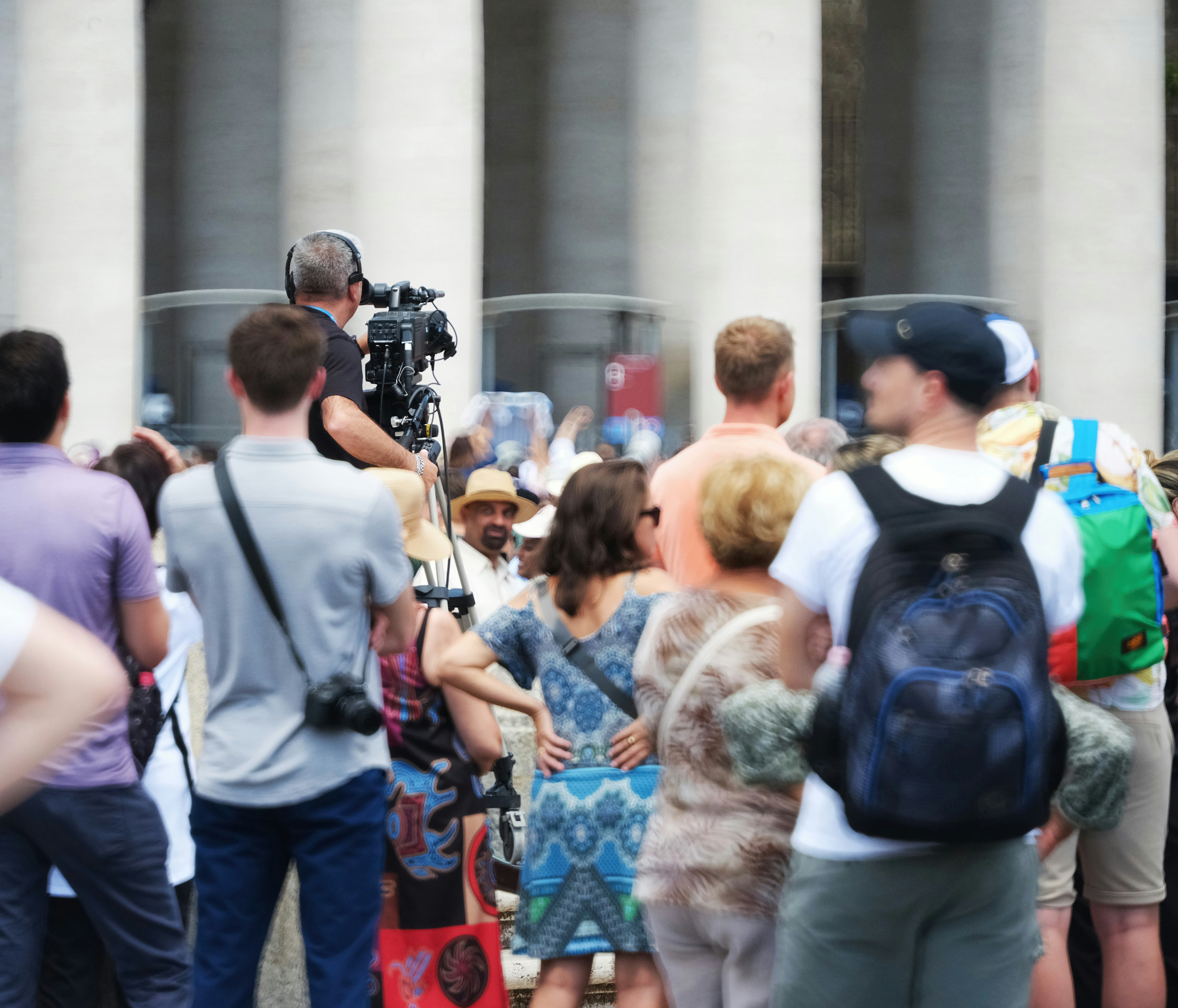
What a fixer does
The job differs from country to country, but a good fixer usually covers most of this:
- Research and contacts. Finding the people you need, from officials and experts to the family at the centre of the story, and persuading them to talk.
- Access. Knowing which office issues which permission, who to call at the checkpoint, and when a place is better avoided.
- Interpreting. Not only words, but tone, politics and what is left unsaid.
- Permits and accreditation. Press cards, filming permits, drone permits, and how long each really takes.
- Logistics. Drivers, cars, hotels, local SIM cards, and the route that works on the day.
- Safety. Reading the situation as it changes, and saying no when it is necessary.
Many fixers are experienced journalists in their own right, and some also film or produce. Ask what they do, rather than assuming.
When you need one
- You are reporting somewhere you don't speak the language or know the institutions.
- The story depends on access: to a community, an authority, an area with restrictions.
- Time is short and every day of a shoot has to count.
- You will direct from a distance, and someone on the ground has to make the day work.
Where to find a fixer
- A platform that lists fixers by place. On Sustainalists you can search by city and role, for example fixers in Nairobi, in Istanbul, in Jakarta or in Seoul, and see languages, experience and reviews before you write to anyone.
- Colleagues and other newsrooms. Ask who they worked with in that country, and how it went.
- Local journalists. Correspondents and reporters in the place itself often fix, or know who does.
- Journalism networks. Press associations and freelance networks can often point you to someone trusted.
How to check a fixer before you book
- References. Who have they worked for, on which stories? Ask one of them.
- Fit for this story. Someone excellent for business news may not be the right person for a story about a protest movement or a remote region.
- Languages and regions. Which languages do they speak, and which parts of the country do they really know?
- Independence. Ask openly about ties that could matter, for example to a ministry, a party or a company in your story. Everyone has connections; you need to know them.
- A short call. Fifteen minutes tells you how they think about the story, and whether you can work together under pressure.
What to put in the brief
- The story in a few sentences, and the angle you are after.
- Who you hope to reach, and who must not know about the story yet.
- Dates and places, with time to spare for permits.
- The tasks: research, interviews, interpreting, permits, transport, filming.
- How you will work: together on location, or with you directing from your desk.
- Safety: what worries you, and what worries them.
- Budget, including expenses. It saves everyone time.
What a fixer costs
A survey by the Global Investigative Journalism Network found fixer day rates between about $50 and $500. Experience, rare languages, difficult access and risk all push the rate up. On top of the day rate come expenses: transport, phone, permits, sometimes an interpreter or a driver.
Pay fairly, and pay on time. Agree in writing:
- The day rate, and what counts as a day.
- Expenses, and an advance for costs they pay before you arrive.
- Preparation days. The research before a shoot is work.
- Cancellation. A fixer who has kept a week free for you has turned down other work.
Credit and safety after the story
The fixer stays in their country. Before you publish, ask:
- How they want to be credited: by name, as "local producer", or not at all. Some fixers need recognition for their career, others need anonymity for their safety.
- What the story could mean for them, and for the people they introduced you to.
- Whether they can see the parts that concern them before publication, so nothing puts them at risk by accident.
Working with a fixer on Sustainalists
On Sustainalists you can send one brief to several fixers, compare their quotes and agree the job in writing, all in one thread, then handle delivery and payment in the same place. Freelancers join free and keep their full fee; companies pay a platform fee per hire. If you rather not or cannot travel, Remotize, the remote interview tool in Sustainalists, lets you direct an interview live from your desk while your fixer and a local camera operator are on location.
Find fixers by place · How to hire a local camera operator · How much does a local film crew cost?
Sources
We use essential cookies to run Sustainalists and, with your consent, analytics to see how it’s used. See our Cookie Policy.